History and Traditions of New Year: Why We Celebrate on January 1
We explore the origins of the January 1 date and learn how calendar reforms shaped modern New Year's traditions.
 🎭Culture & Sport
Photo: TSN
Key points
- January 1 became the standard after the reforms of Julius Caesar and Gregory XIII.
- The month's name comes from the god Janus, symbolizing the transition between past and future.
- Different nations have unique traditions for welcoming the new year, ranging from gastronomic to religious rituals.
From Ancient Cults to the Modern Calendar
The tradition of marking the beginning of the year on January 1 has deep roots dating back to Ancient Rome. While various civilizations for millennia linked the start of a new cycle to natural phenomena, such as the flooding of the Nile or the spring equinox, it was the reforms of Julius Caesar and later Gregory XIII that solidified the modern system of timekeeping.
The name of the month "January" comes from the Roman god Janus, who symbolized transitions and new beginnings. His two-faced image, looking into the past and the future, became the perfect reflection of the holiday's essence, as people reflect on the year gone by and make plans for the next.
Diversity of World Customs
Today, January 1 is the generally accepted date in most countries of the world, but cultural nuances of the celebration differ significantly. From the Spanish tradition of eating grapes for good luck to the Japanese ritual of 108 bell tolls, each nation imbues this time with its own unique meanings.
"Each bell toll in Japan symbolizes the release of one of the human desires that hinder harmony," researchers of traditions note.
Interestingly, even within Europe, before the introduction of the Gregorian calendar, the dates for the beginning of the year could vary significantly, being tied to religious holidays such as Christmas or the Annunciation.
Source TSN — tsn.ua/tsikavinki/koly-sviatkuiut-novyy-rik-chomu-data-prypadaye-na-1-s… ↗
Read next
 💼Economy
Ukrainian farmers face bankruptcy risks amid logistical and financial pressures
Due to the blockade of export routes and rising production costs, the domestic agricultural sector is facing a critical depletion of resources.
 🇺🇦Ukraine
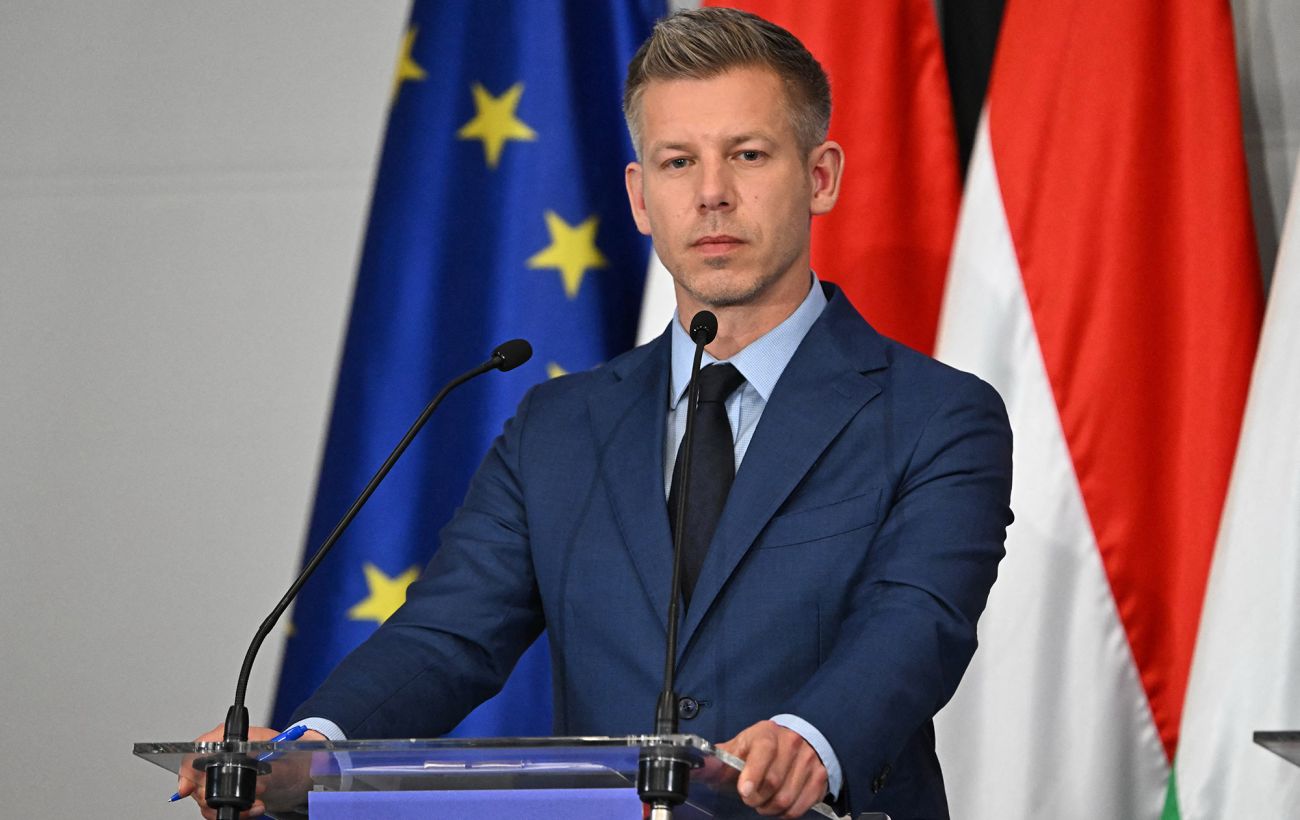
Hungarian Prime Minister Péter Magyar calls Russia an aggressor and announces visit to Zakarpattia
Hungarian PM Péter Magyar expressed solidarity with Ukraine and condemned Russian attacks, confirming his intention to visit the Zakarpattia region.
 🧠AI Analysis
ATP Finals review: Carlos Alcaraz dominates as young talents rise
Spanish tennis star Carlos Alcaraz completed the ATP Finals undefeated, showcasing his undeniable dominance in the men's circuit.
 👥Society
Autumn Pear Tree Care in Boryslav: Preparing Orchards for Winter
Residents of Boryslav's private sector are encouraged to focus on sanitary pruning this autumn, saving major crown shaping for the spring season.
 🇺🇦Ukraine
New Geography of Maritime Warfare: Incidents in Libya and the Gulf of Finland Expose Russian Logistical Vulnerabilities
An explosion on a Russian vessel in the Libyan port of Бенгази and a fire on a cargo ship in the Gulf of Finland highlight global risks for Russian maritime supply chains…
 🛡️Security
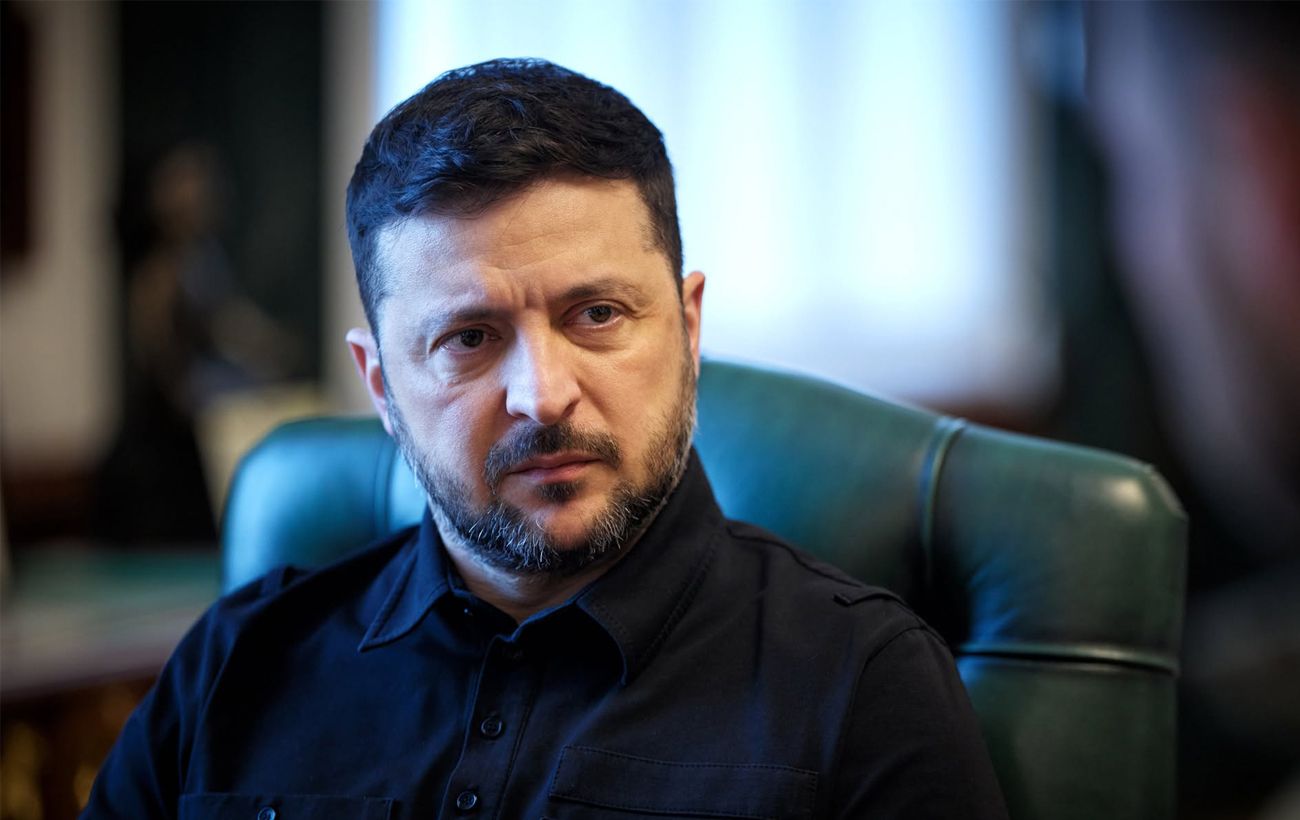
Zelenskyy says intelligence reported on updated Russian strike plans
President Volodymyr Zelenskyy announced that military intelligence briefed him on updated Russian plans for new strikes, as energy infrastructure repair efforts continue …