Microplastics found to be chemically active: new insights into health impacts
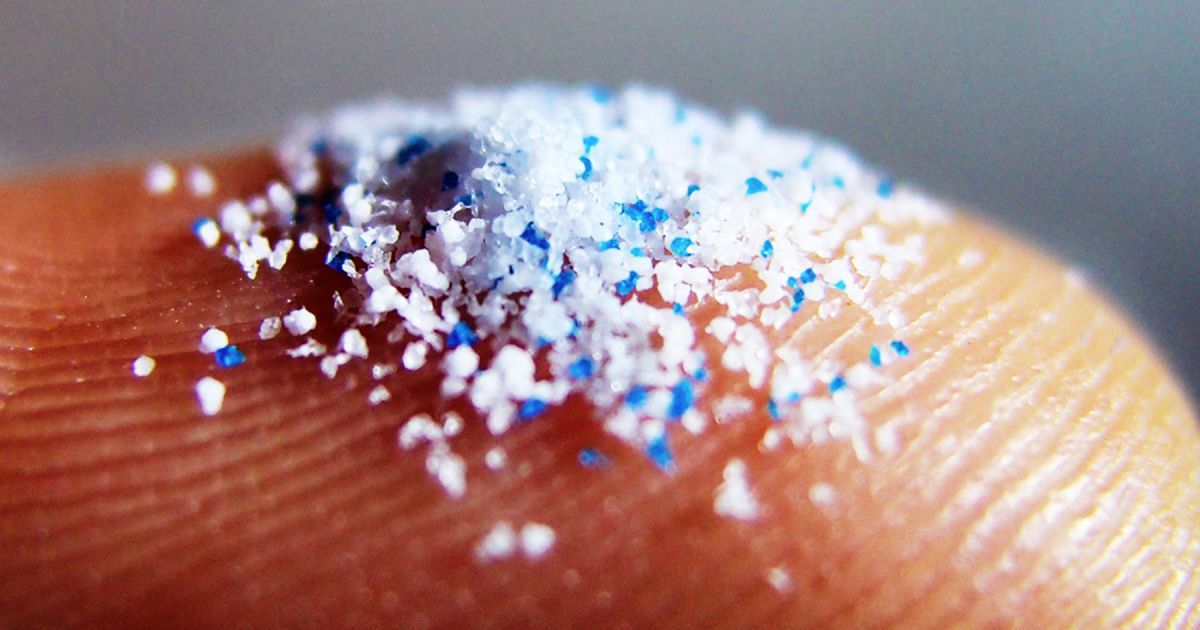
Scientists have discovered that microplastics in water can trigger chemical reactions that may damage biological cells.
 🩺Health
Photo: TSN
Key points
- Microplastics form reactive oxygen species when in contact with water.
- Chemical activity depends on plastic type and particle size.
- Heating plastic containers increases the risk of particle release.
Danger at the molecular level
Researchers from Columbia University and the University of California, Berkeley, have determined that microplastics are not passive pollutants. Upon contact with water, reactive oxygen species, including hydroxyl radicals, form on the surface of plastic particles. These compounds can damage DNA, proteins, and cellular structures, providing a new perspective on the risks associated with plastic pollution.
During the experiments, scientists analyzed six common types of plastic, including polyethylene and polypropylene. It was found that the intensity of these chemical processes depends on the material type and particle size: the smaller the debris, the greater the surface area available for potentially harmful reactions.
Impact on living organisms
- Damage to red blood cells upon contact with polystyrene.
- Accumulation of proteins on the surface of plastic fragments.
- Risk of particle release when heating plastic containers.
Laboratory experiments on mouse cells showed that the chemical activity of plastic could lead to the destruction of cell membranes. While these results were obtained under laboratory conditions, they highlight the need for further research into the impact of microplastics on the human body, especially given their widespread presence in daily life.
Source TSN — tsn.ua/zdorovya/mikroplastyk-vyiavyvsia-nebezpechnishym-niz-vvazaly-shc… ↗
Read next
 🛡️Security
Fire Still Burning on Russian Vessel Sparta II in Gulf of Finland After Drone Attack
Finnish Coast Guard units continue battling a fire aboard the Russian cargo ship Sparta II, which drifted into Finnish waters following a Ukrainian drone strike.
 🚨Events
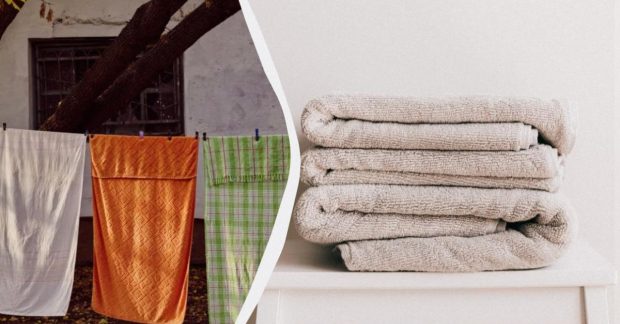
How to restore softness to terry towels: a simple household life hack
A two-step washing method using common salt and citric acid helps restore stiff terry towels at home.
 🏛️Politics
Inter-Agency Conflict: NABU Launches Case Against Alpha Special Forces Over Search-And-Seizure Funds
The National Anti-Corruption Bureau has initiated a criminal investigation against SBU Alpha special forces officers over the seizure of $25,000 during July searches.
 🚨Events
Attack on Kyiv Region: 14 People Missing After Strike on Residential Building in Dymer
A residential building in Dymer, Kyiv region, was heavily damaged in a nighttime drone attack, with rescue teams searching for survivors.
 👥Society
Night Guard: How Folk Beliefs Explain Domestic Cats' Behavior
Folk traditions have long portrayed cats as nighttime protectors of the home, though these mystical beliefs often mask simple biological explanations.
 🎓Education
The Philosophy of Reconstruction: Why Post-War Recovery Requires Daily Labor
An essay on Ukraine's societal transformation through the lens of repair work, invisible utility labor, and new environmental realities.