Affordable Superfood for Seniors: Dietitian Explains Daily Benefits of Sauerkraut
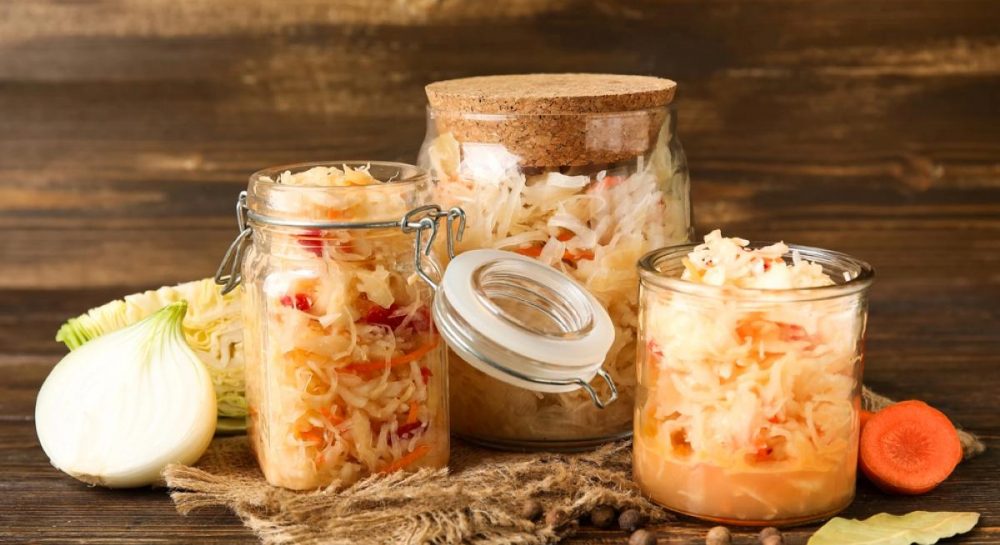
Consuming just 150 grams of sauerkraut daily can significantly boost immunity and improve digestion in elderly people. Experts explain how this budget-friendly product helps the body handle age-related changes.
 🩺Health
Photo: UNIAN
Key points
- A daily 150g serving of sauerkraut delivers fiber, vitamin C, potassium, iron, and probiotics
- Clinical evidence indicates sauerkraut reduces IBS symptoms and improves overall gut function
- Autumn is ideal for fermenting various local vegetables and fruits beyond cabbage
As people age, their immune system naturally weakens, making elderly individuals more vulnerable to infections and requiring longer recovery times after illness. According to nutrition experts, introducing fermented foods like traditional sauerkraut into the daily diet is an accessible way to support health during the colder months.
Nutritional Value and Digestive Support
Dietitian Dr. Bartosz Kulczyński explains that a single 150-gram serving of sauerkraut delivers a rich mix of essential nutrients. This portion provides 4 grams of fiber, 22 milligrams of vitamin C, 35 micrograms of folates, 250 milligrams of potassium, and 2.22 milligrams of iron, along with lactic acid and beneficial lactic acid bacteria.
The fermented vegetable offers particular benefits for gastrointestinal health. A 2018 study titled "Lacto-fermented sauerkraut improves symptoms in IBS patients independent of product pasteurisation – a pilot study" confirmed that sauerkraut helps alleviate symptoms in patients suffering from irritable bowel syndrome (IBS). Additionally, it effectively addresses constipation, which is a common health concern among older adults.
Antioxidant Power and Alternative Vegetables
The acidic environment created during fermentation helps keep vitamin C stable over time. Citing data from the National Nutrition Center, fermented foods serve as a strong source of antioxidants that clear excess free radicals, exhibit antibacterial and antiviral properties, and improve nutrient bioavailability.
Experts emphasize that autumn is the optimal season for fermenting produce. Beyond cabbage and cucumbers, locals can ferment beets, carrots, onions, leeks, zucchini, peppers, cherry tomatoes, as well as fruits like apples, plums, pears, and lemons.
Source UNIAN — unian.ua/curiosities/kvashena-kapusta-pislya-60-chim-korisni-150-g-… ↗
Read next
 💼Economy
Ukrainian farmers face bankruptcy risks amid logistical and financial pressures
Due to the blockade of export routes and rising production costs, the domestic agricultural sector is facing a critical depletion of resources.
 🇺🇦Ukraine
Hungarian Prime Minister Péter Magyar calls Russia an aggressor and announces visit to Zakarpattia
Hungarian PM Péter Magyar expressed solidarity with Ukraine and condemned Russian attacks, confirming his intention to visit the Zakarpattia region.
 🧠AI Analysis
ATP Finals review: Carlos Alcaraz dominates as young talents rise
Spanish tennis star Carlos Alcaraz completed the ATP Finals undefeated, showcasing his undeniable dominance in the men's circuit.
 👥Society
Autumn Pear Tree Care in Boryslav: Preparing Orchards for Winter
Residents of Boryslav's private sector are encouraged to focus on sanitary pruning this autumn, saving major crown shaping for the spring season.
 🇺🇦Ukraine
New Geography of Maritime Warfare: Incidents in Libya and the Gulf of Finland Expose Russian Logistical Vulnerabilities
An explosion on a Russian vessel in the Libyan port of Бенгази and a fire on a cargo ship in the Gulf of Finland highlight global risks for Russian maritime supply chains…
 🛡️Security
Zelenskyy says intelligence reported on updated Russian strike plans
President Volodymyr Zelenskyy announced that military intelligence briefed him on updated Russian plans for new strikes, as energy infrastructure repair efforts continue …