The Economist analysts warn of strengthening cooperation between authoritarian regimes
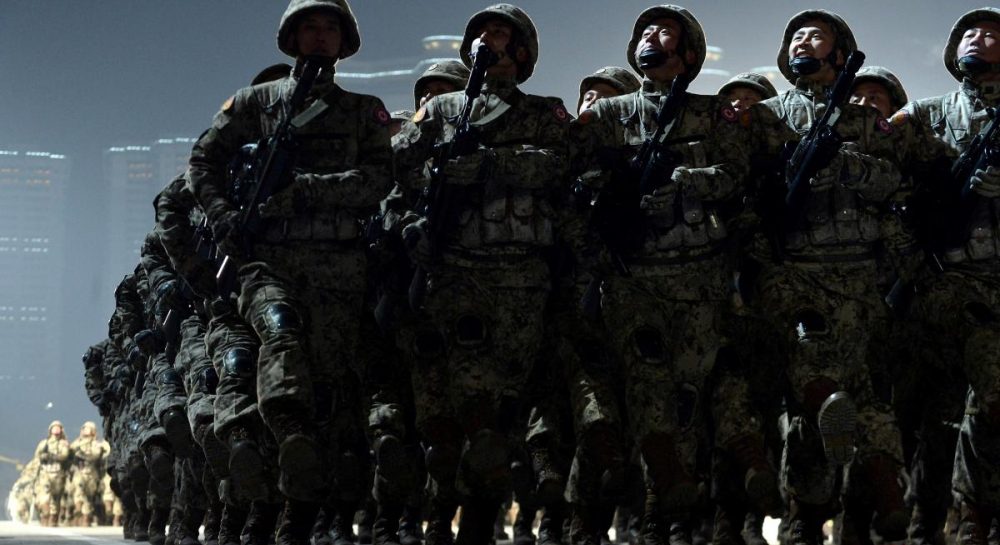
Authoritarian states, including Russia, China, Iran, and North Korea, are deepening their collaboration in defense and technology, creating new challenges for global security.
 🏛️Politics
Photo: UNIAN
Key points
- Formation of an informal alliance of authoritarian states
- Increase in military-technical cooperation cases
- Difficulty in containing the coalition for Western nations
A new architecture of geopolitical threats
The Economist has published an analysis suggesting that Russia, China, Iran, and North Korea are forming a network of close cooperation that goes beyond traditional diplomacy. Although this grouping lacks the formal status of a military bloc like NATO, coordination between these countries in sharing weapons, technology, and intelligence is becoming increasingly systematic.
The analytical center FDD has recorded over 600 instances of security-related interaction between these states between 2019 and 2025. The intensity of contacts has increased significantly since the start of Russia's full-scale invasion of Ukraine. Despite differences in economic interests, particularly regarding energy prices, collective opposition to Western influence has become a key driver of their foreign policy.
Implications for global stability
- The absence of a unified command does not diminish the threat, as mutual support allows these regimes to circumvent international sanctions more effectively.
- Experts note that it is becoming increasingly difficult for the West to contain these countries individually as they begin to act more cohesively.
- Political shifts in the US, including Donald Trump's statements regarding his personal relationships with the leaders of Russia and China, add uncertainty to future containment strategies.
Source UNIAN — unian.ua/world/rosiya-knr-iran-ta-pivnichna-koreya-stvorili-neforma… ↗
Read next
 🎭Culture & Sport
National Guard soldier joins 'The Voice of Ukraine-14'
Taras Redziy, an officer of the National Guard of Ukraine, successfully passed the blind auditions on the popular vocal show.
 🩺Health
Why you shouldn't discard the bones in canned sardines: nutritional advice
Experts explain that removing bones from canned sardines strips the product of significant calcium content. Softened bones in canned fish are safe and highly nutritious.
 ⚽Sport
Carlos Alcaraz wins his first ATP Finals title
Spanish tennis player Carlos Alcaraz defeated Alexander Zverev in the 2026 ATP Finals, securing his first-ever title at the season-ending tournament.
 🎭Culture & Sport
A local cultural center director from Boryslav region impresses judges on 'The Voice of Ukraine'
Alona Kompaniets stunned the coaches of the vocal show with an a cappella performance of the folk song 'Plyve Kacha po Tysyni'.
 🏙️City
Situation at the front: tensions on the Kostiantynivka and Pokrovsk axes
The General Staff of the Armed Forces of Ukraine reports 143 combat engagements over the past day, with the eastern front remaining the main area of enemy activity.
 🚨Events
Shooting in Kharkiv: Police Launch Special Operation to Find Killers
On the evening of November 22, a man was shot dead in Kharkiv, prompting a large-scale police manhunt across the city.