Political Crisis in France: Why Emmanuel Macron's Leadership is Facing Collapse
France is gripped by severe social and political turmoil ahead of the presidential election, threatening the country's centrist establishment.
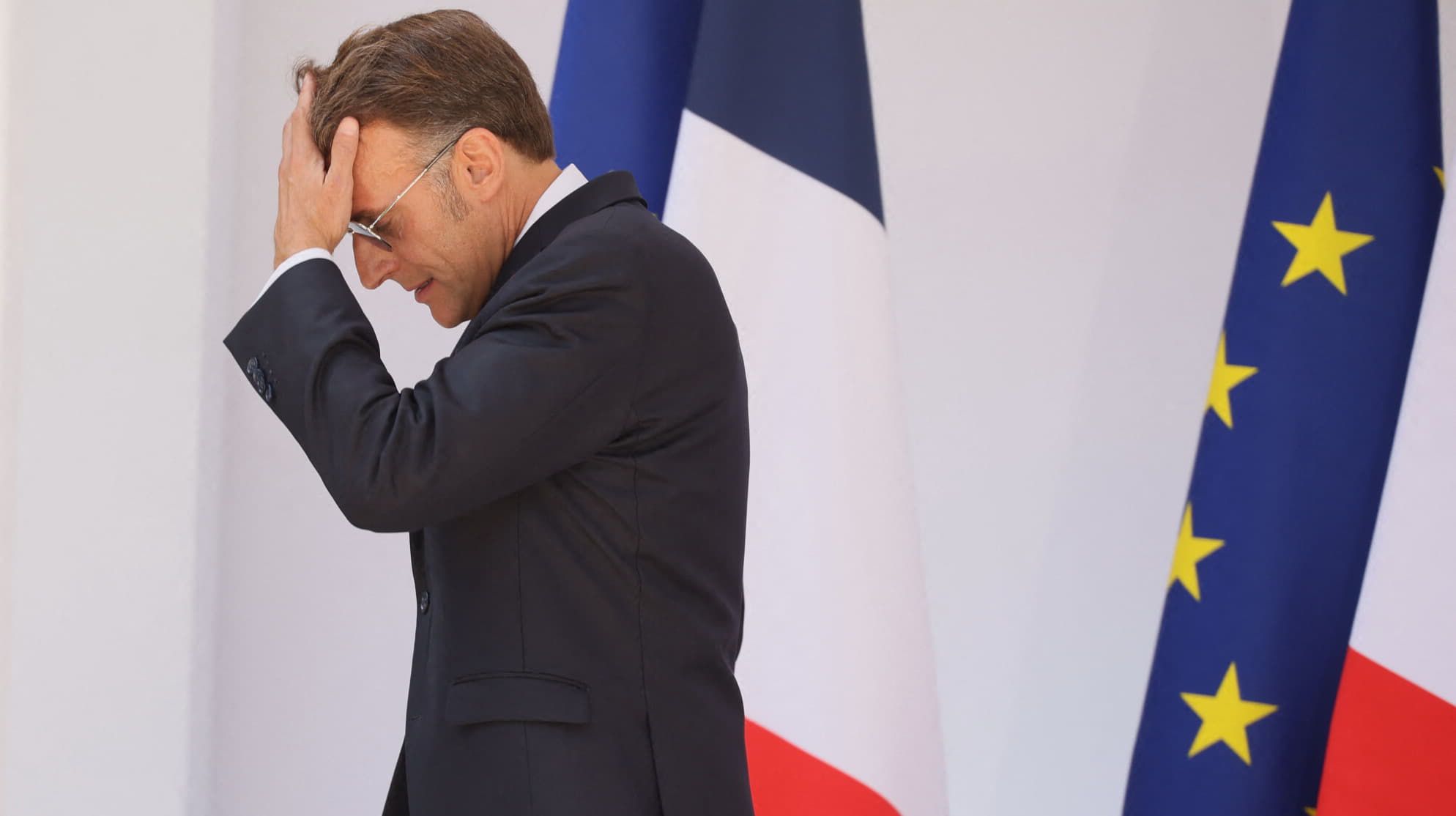 🏛️Politics
Photo: Ukrainska Pravda
Key points
- France is facing a severe socio-political crisis months before the presidential election.
- Macron's top-down governance and lack of a strong party infrastructure led to severe isolation.
- The rise of radical political forces threatens the stability of the French political system.
For over a month, France has been navigating a profound social and political crisis that President Emmanuel Macron is increasingly unable to contain. The situation is further complicated by the approaching presidential election, where radical political forces are positioning themselves as main contenders. This turmoil highlights a deeper systemic weakness within the French political framework, where traditional institutions struggle to maintain public trust.
The Fall of the Center and Centralized Governance
While French presidents have historically faced difficult ends to their tenures, Macron's approach significantly accelerated his isolation. By attempting to govern from the top down and bypassing intermediary institutions such as local governments and regional authorities, he failed to build a durable political party. His movement remained little more than an electoral vehicle, leaving the administration detached from grassroots realities.
This governance style has proven catastrophic as public discontent mounts. The potential rise of radical successors who share similar centralizing tendencies raises serious concerns about the future of the republic's democratic checks and balances. The outcome of this crisis will undoubtedly reshape France's domestic landscape and its standing in European affairs.
Source Ukrainska Pravda — pravda.com.ua/columns/2026/11/19/8063587/ ↗
Read next
 🛡️Security
Russia tests NATO readiness via airspace violations: expert analysis
The Russian Federation is systematically using airspace violations in NATO countries to test air defense response algorithms and the political unity of the Alliance.
 💡Tech
Scientists revive 40,000-year-old bacteria from permafrost: climate implications
Researchers from the University of Colorado have discovered that ancient microorganisms from Alaskan permafrost can rapidly multiply when temperatures rise.
 🎓Education
Unique agricultural experience: 350-kilogram pumpkin grown in Cherkasy region
A resident of the Cherkasy region grew a 350-kilogram giant pumpkin in his garden and shared the harvest with the local community.
 🇺🇦Ukraine
US National Intelligence Director: Putin is not a friend of America regarding Ukraine
US National Intelligence Director Jay Clayton clarified the context of Donald Trump's remarks regarding his relationship with Vladimir Putin.
 🛡️Security
Rescuers continue clearing rubble in Dymer: death toll rises
In Dymer, Kyiv region, rescuers have recovered the eighth victim of a Russian strike. Search and rescue operations at the site are ongoing.
 🏙️City
ISW analysts assess prospects for humanitarian corridors along the frontline
The Institute for the Study of War analyzed evacuation proposals and explained the technical impossibility of a ceasefire in Kostiantynivka.